
The Italian secret to a better bowl of pasta
Few things are as comforting as a bowl of pasta. It’s quick, inexpensive and endlessly versatile – yet there’s a surprising difference between pasta that’s simply fine and the sort you find yourself thinking about long after the plate has been cleared. The good news is that the difference rarely involves complicated recipes or hours in the kitchen. In Italy, a great plate of pasta often relies on remarkably few ingredients. What matters is choosing them well – and knowing what to do with them.
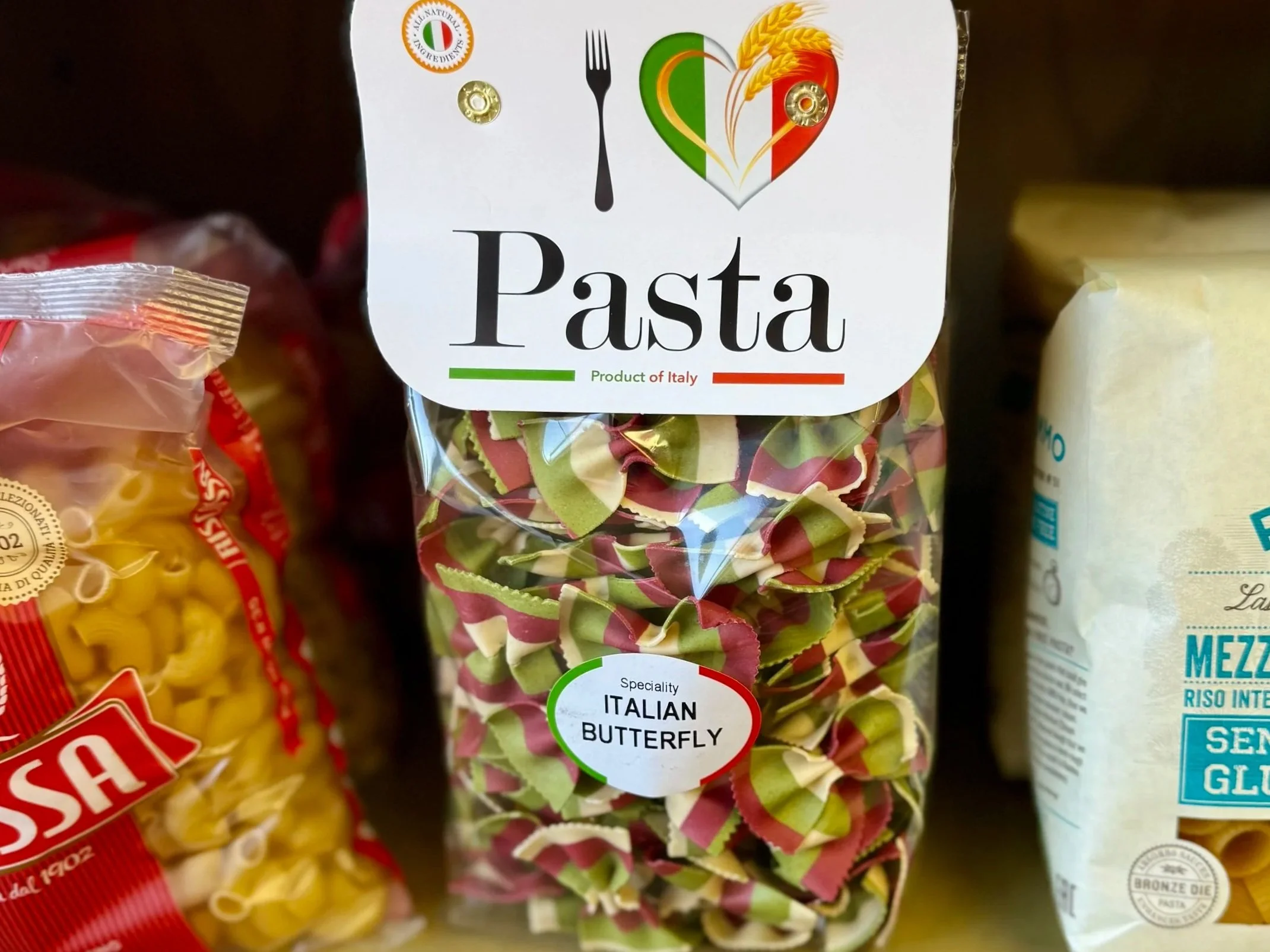
Start with good pasta
When a dish contains only a handful of ingredients, there really is nowhere for poor ones to hide.
Good dried pasta should have a slightly rough, matt surface rather than looking completely smooth and shiny. It may cost a little more than an everyday packet, but pasta is one of those ingredients where spending an extra pound or two can transform a very simple supper.
Match the pasta to the sauce
There’s a reason Italian shops contain such a bewildering variety of pasta shapes. They aren’t simply decorative: different shapes carry different sauces.
Long strands such as spaghetti and linguine work beautifully with silky olive oil, tomato and seafood-based sauces. Tubes such as rigatoni and penne are particularly good with chunky sauces because all those delicious little pieces become caught inside them.
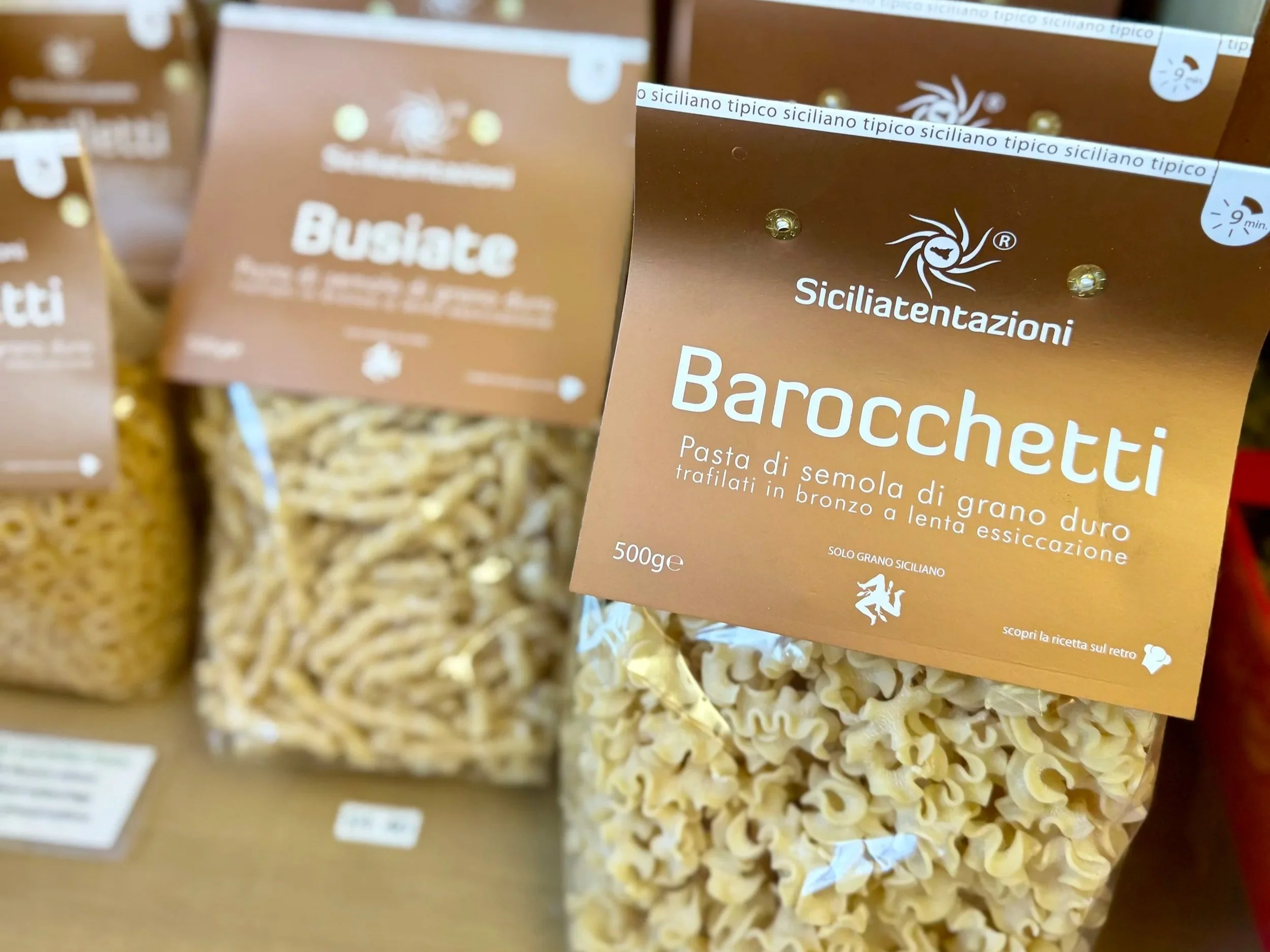
Twisted and ridged shapes are excellent with pesto and thicker sauces, while broad ribbons such as pappardelle and tagliatelle can stand up to rich, slow-cooked ragùs.
There are exceptions, of course, but choosing your pasta and sauce together is a very good place to start.
Be generous with the salt
One of the simplest ways to improve pasta is also one of the most frequently overlooked: season the cooking water properly.
Pasta absorbs water as it cooks, so this is your first opportunity to season it from within. Add the salt once the water has come to the boil and before adding the pasta.
You want the water noticeably seasoned, although the often-repeated advice that it should be “as salty as the sea” is rather more poetic than practical.
And there’s no need to add olive oil to the pan. It won’t stop cooked pasta sticking together in any useful way and that lovely oil is much better saved for your sauce or for finishing the dish.
Don't cook it quite as long as you think
For most pasta dishes, you’re looking for al dente: cooked through but still with a little resistance when you bite into it.
The timings on the packet are a useful guide, but start tasting before the suggested cooking time is up.
Better still, take the pasta out of the water a minute or two before it is completely ready and finish cooking it in the sauce.
This is one of the simplest differences between pasta with sauce sitting on top of it and a properly integrated pasta dish.
Never throw away all the pasta water
Before draining your pasta, scoop out a mugful of the cloudy cooking water.
That unpromising-looking liquid is one of the most useful ingredients in the kitchen. It contains starch released by the pasta as it cooks and a splash added to your sauce can help everything emulsify into something glossy and silky.
You may only need a spoonful or two, but get into the habit of saving some before you reach for the colander.
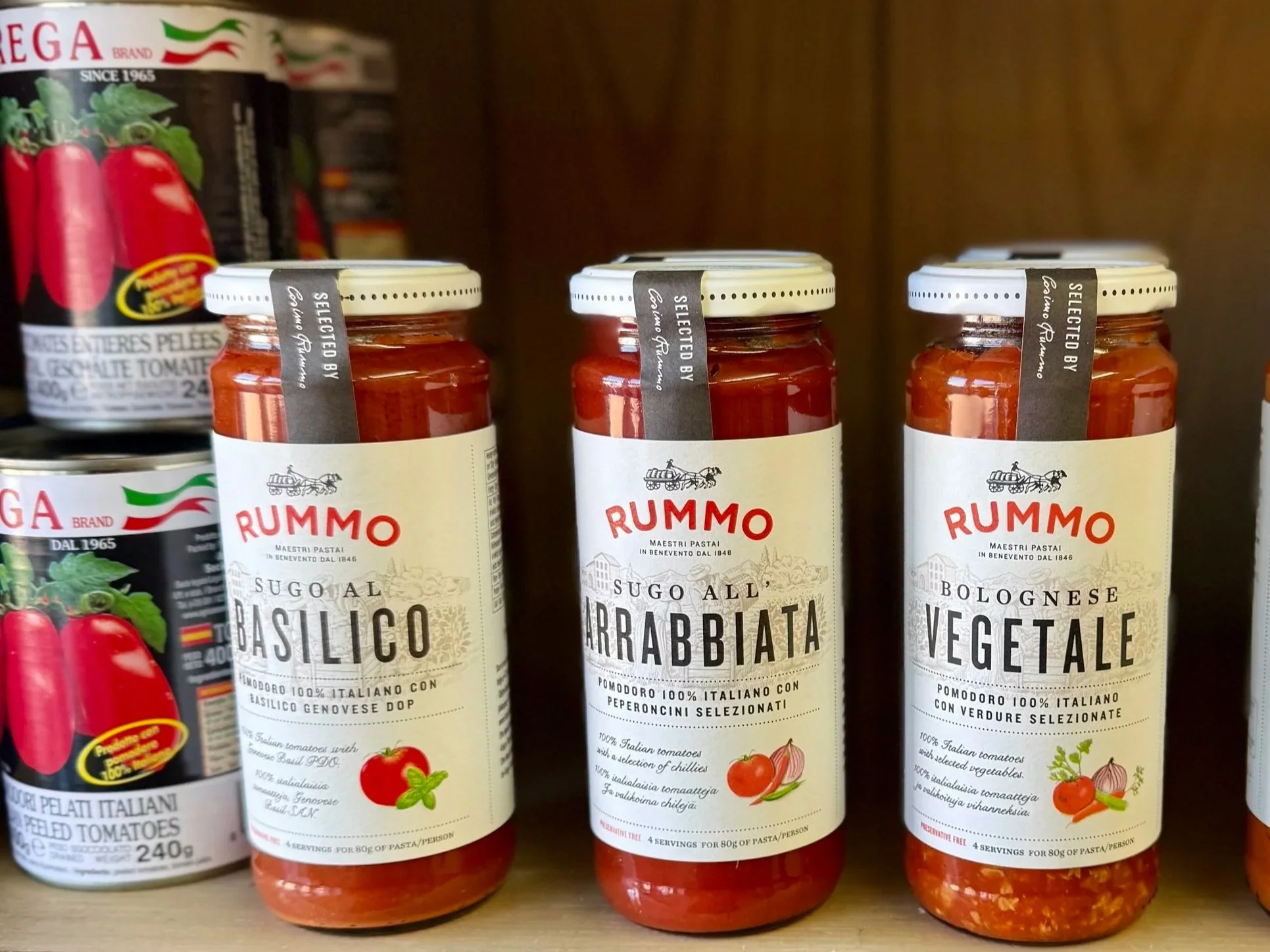
Bring the pasta to the sauce
Rather than piling drained pasta into bowls and spooning sauce over the top, add the pasta directly to the pan containing your sauce.
Toss everything together over the heat for a minute or so, adding a splash of reserved pasta water if it needs loosening.
This final stage allows the pasta to absorb some of the flavour of the sauce and helps the two become one dish rather than two separate components.
Don't automatically reach for the Parmesan
We love Parmesan – and there are few things better than freshly grated Parmigiano Reggiano over a bowl of pasta. But that doesn't mean it belongs on everything.
With rich meat ragùs, many vegetable sauces and simple butter-based pasta dishes, it can be wonderful. Pecorino, meanwhile, brings a saltier, punchier flavour and is essential to several classic Roman pasta dishes.
But Italians generally don't shower Parmesan over seafood pasta. If you've cooked beautiful prawns, clams or other fresh fish with garlic, olive oil and perhaps a little chilli, let those flavours do the talking.
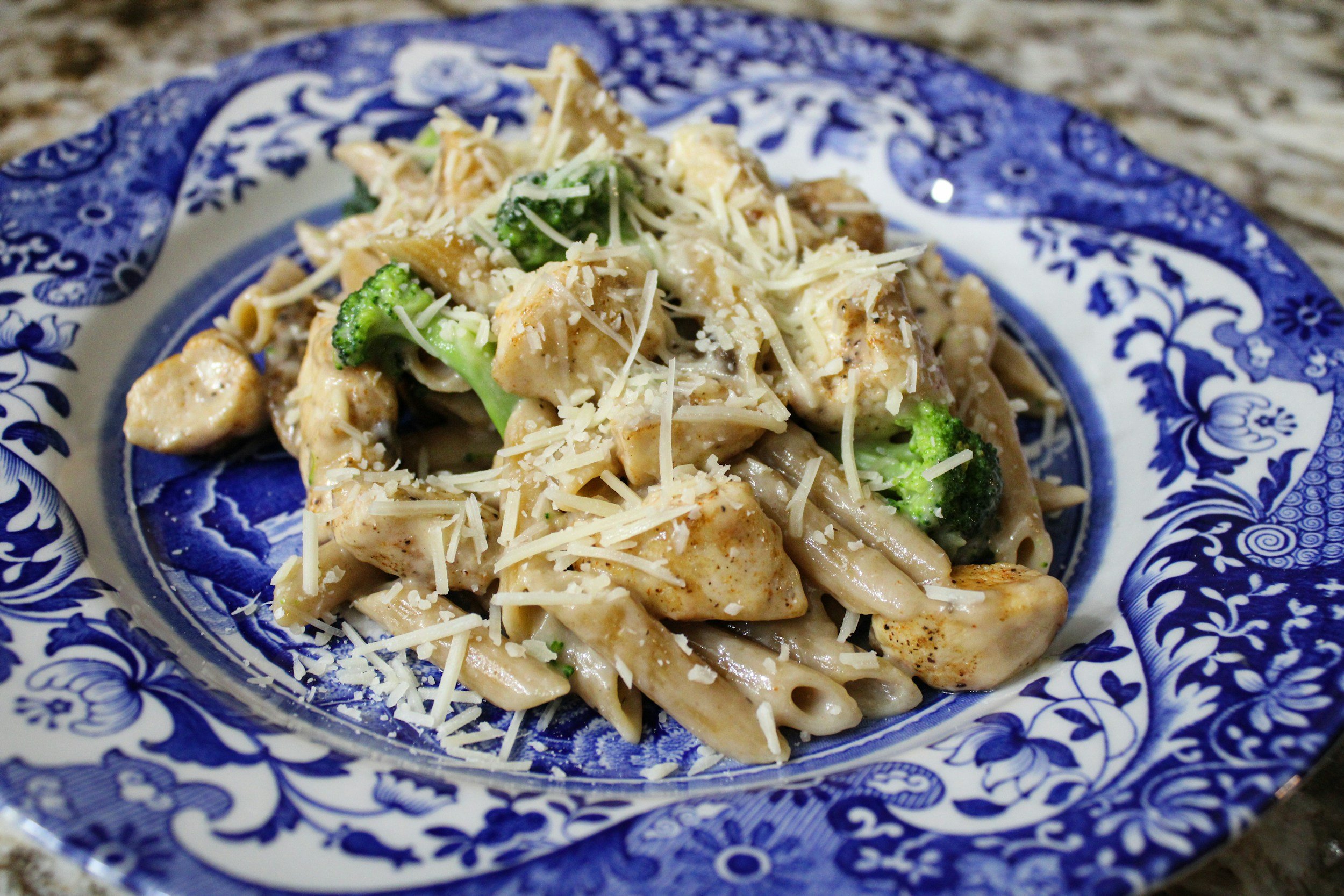
Finally, keep it simple
Perhaps the most useful lesson we can borrow from Italian cooking is that more isn't necessarily better.
A really good tomato sauce doesn't need ten additional ingredients. Pasta with excellent olive oil, garlic and chilli can be glorious. Pesto needs little more than the right pasta and perhaps a splash of cooking water to turn it into supper.
Start with good pasta, choose a few ingredients that deserve their place on the plate and treat them well.
At Gastro Nicks, we stock a carefully chosen selection of authentic Italian pasta, sauces, pesto, extra virgin olive oils, Parmigiano Reggiano, Pecorino and plenty of other ingredients for a proper Italian supper.
And if you're not sure which pasta to put with which sauce, just ask us. Talking about good food is one of our favourite things.